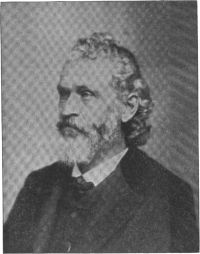
George W. Hunter, A Civic Biology, Presented in Problems
“ The one-celled animal responds to the presence of food, to heat, to oxygen, to other conditions in its surroundings. An earthworm is repelled by light, is attracted by food. All animals, including man, are put in touch with their surroundings by what we call the organs of sensation. The senses of man, besides those we commonly know as those of sight, hearing, taste, smell, and touch, are those of temperature, pressure, and pain. It is obvious that such organs, if they are to be of use to an animal, must be at the outside of the body. ”