Animal coloration

Definition and stakes

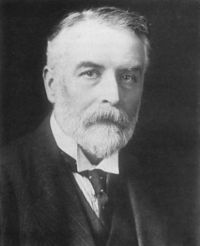
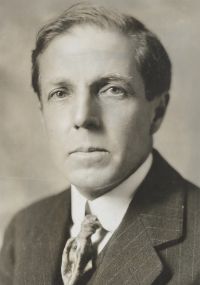
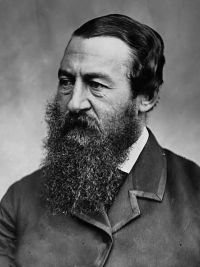
Portrait of Alfred Russel Wallace Alfred Russel Wallace Darwinism (1889)

We are now in a position to test the general theories, or, to speak more correctly, the popular notions, as to the origin of animal coloration, before proceeding to apply the principle of utility to the explanation of some among the many extraordinary manifestations of colour in the animal world. The most generally received theory undoubtedly is, that brilliancy and variety of colour are due to the direct action of light and heat; a theory no doubt derived from the abundance of bright-coloured birds, insects, and flowers which are brought from tropical regions.
Source: Gutenberg

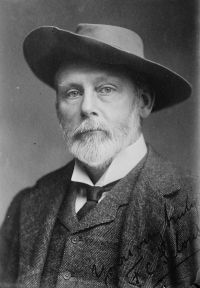
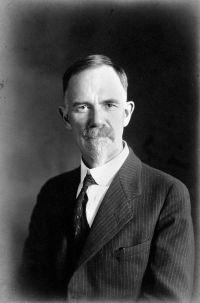
Portrait of Frederick Courteney Selous Frederick Courteney Selous African Nature Notes and Reminiscences

To those who believe that every spot or stripe or patch of colour on every animal is a beautiful illustration of the truth of the theory of protective coloration, this may seem a very fanciful idea. Yet I feel convinced that the influence of environment has played a greater part than is generally believed in the evolution of colour in living organisms. The weak point in the theory of protective coloration when applied to large mammals is the fact that all carnivorous animals are nocturnal and seek their prey habitually by night and by scent, and only occasionally by daylight and by sight.
Source: Gutenberg

Get perspective with Kwize: daily news enlightened by great literature