Annelid

Definition and stakes

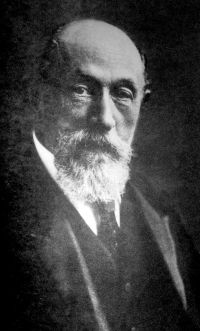
John M. Tyler,  The Whence and the Whither of Man

“ The annelid had two anterior segments differing from those of the rest of the body; these may, [66] perhaps, be considered as the foreshadowings of a structure not yet realized; they can only by courtesy be called a head. Thirdly, the insect has legs. The annelid had fin-like parapodia, approaching the legs of insects about as closely as the fins of a fish approach the legs of a mammal. The reproductive and digestive systems, while somewhat improved, are not very markedly higher than those of annelids. The excretory system has more work to perform and reaches a rather higher development. ”
Source: Gutenberg

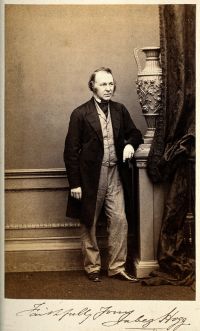
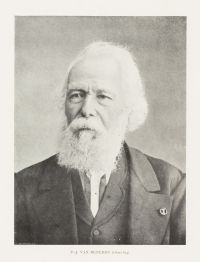
Portrait of P. J. van Beneden P. J. van Beneden,  Animal Parasites and Messmates

“ But this animal does not live alone in this asylum. He is not so much of an anchorite as he appears to be, for by his side an annelid usually instals himself as a messmate, which forms with the Pagurus one of the most terrible associations that are known. This annelid is a long worm, like all the nereids, whose supple and undulating body is armed along its sides with arrows, lances, pikes, and poniards, the wounds of which are always dangerous. It is a living panoply which glides furtively into the enemy’s camp without giving the alarm. ”
Source: Gutenberg

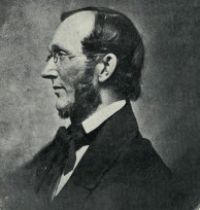
John M. Tyler,  The Whence and the Whither of Man

“ The annelid had hit upon a most advantageous line of development, which led ultimately to the insect. The study of the insect will show us clearly the advantages and defects of the annelid plan. First of all, the insect, like the mollusk, has an external skeleton. But the skeleton of the mollusk was purely protective, a hindrance to locomotion. That of the insect is still somewhat protective, but is mainly, almost purely, locomotive. It is never allowed to become so heavy as to interfere with locomotion. ”
Source: Gutenberg

Get perspective with Kwize: daily news enlightened by great literature