Art class

Definition and stakes

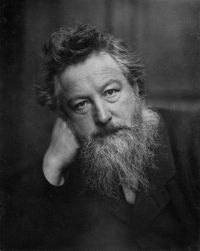
graf Leo Tolstoy,  The Kingdom of God is Within You…

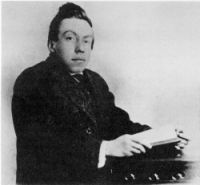
“ As soon as art became, not art for the whole people, but for a rich class, it became a profession; as soon as it became a profession, methods were devised to teach it; people who chose this profession of art began to learn these methods, and thus professional schools sprang up: classes of rhetoric or literature in the public schools, academies for painting, conservatoires for music, schools for dramatic art.
In these schools art is taught! But art is the transmission to others of a special feeling experienced by the artist.
”
Source: Gutenberg

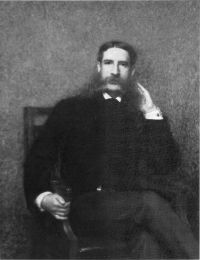
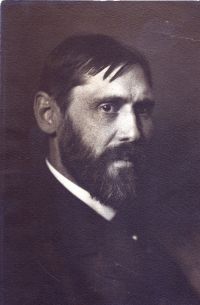
Portrait of Upton Sinclair Upton Sinclair,  Mammonart: An essay in economic interpretation (1925)

“ The fact that the men who produce this art have come from the people is a fact of no significance; for the ruling classes take what they want where they find it, and shape it to their own class ends. The characteristics of the Art of Beauty, whether in painting, or sculpture, or music, or words, or actions, are those of rest and serenity, pleasure in things as they actually exist; also clarity of form—because the leisure-class artist has time to study technique, and knows what he wants to do. ”
Source: Gutenberg

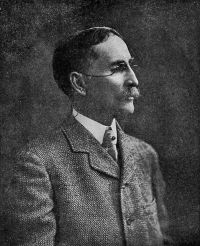
Portrait of Friedrich Schiller Friedrich Schiller,  Aesthetical Essays of Friedrich Schiller

“ But in as far as a certain sort of pleasure is pursued as a principal aim, we can make of it, if not a specific character of a class properly so called, at least the principle and the tendency of a class in the works of art. Thus, for example, we could take the arts which, above all, satisfy the intelligence and imagination—consequently those which have as chief object the true, the perfect, and the beautiful—and unite them under the name of fine arts (arts of taste, arts of intelligence) ”
Source: Gutenberg

Get perspective with Kwize: daily news enlightened by great literature