Aspic

Definition and stakes

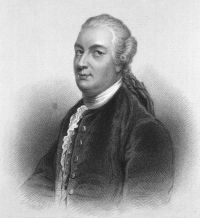
Portrait of James Bruce James Bruce,  Select Specimens of Natural History Collected in Travels to Discover the Source of the Nile…

“ We are therefore to look upon her dying by the bite of the Cerastes, as only following the manner of death which she had seen commonly adopted by those who were intended to die without torment.
Galen speaking of the Aspic in the great city of Alexandria, says, I have seen how speedily they (the aspics) occasioned death. Whenever any person is condemned to die whom they wish to end quickly and without torment, they put the viper to his breast, and suffering him there to creep a little, the man is presently killed.
”
Source: Gutenberg

active 1886-1887 John W. Graham,  Neæra: A Tale of Ancient Rome

“ That which it denies to thee.’ This foreign rendering can give only a faint idea of the effect which Apicius produced upon his hearers, by the beauty of his elocution, in his native tongue; for it was given in a voice of singular, pathetic melancholy. The hot burning tears dropped silently from the down-turned face of Martialis. Then, for a brief moment, he raised his swimming eyes toward his friend. All that was purest and noblest in his [pg 44] nature struggled with those welling drops, from beneath the load of a careless, misguided life, and beautified his weary face. ”
Source: Gutenberg

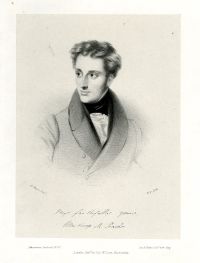
Portrait of Winthrop Mackworth Praed Winthrop Mackworth Praed,  The poems of Winthrop Mackworth Praed… (1886)

“ Aspasia was the arbitress of peace and war, the queen of arts and arms, the Pallas of the spear and the pen; we have looked back to those golden hours with transport and with longing. Here our classical dreams shall in some sort wear a dress of reality. He who has not the piety of a Socrates may at least fall down before as lovely a divinity; he who has not the power of a Pericles may at least kneel before as beautiful an Aspasia.’
“His tone had just so much of earnest, that what he said was felt as a compliment, and just so much banter that it was felt to be nothing more.
”
Source: Gutenberg

Get perspective with Kwize: daily news enlightened by great literature