Balladist

Definition and stakes

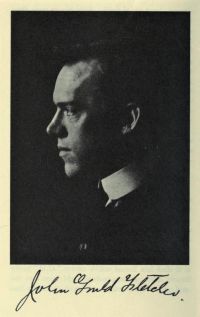
George Wharton Edwards,  The Book of Old English Ballads

“ The note of the popular ballad is its objectivity; it not only takes us out of doors, but it also takes us out of the individual consciousness. The manner is entirely subordinated to the matter; the poet, if there was a poet in the case, obliterates himself. What we get is a definite report of events which have taken place, not a study of a man's mind nor an account of a man's feelings. The true balladist is never introspective; he is concerned not with himself but with his story. ”
Source: Gutenberg

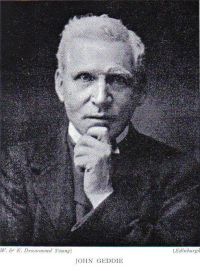
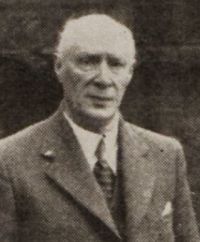
Portrait of John Geddie John Geddie,  The Balladists

“ If there ever be matter of offence in the traditional ballad, it resides in the theme and not in the handling and language. Whatever be its faults, it never has the taint of the vulgar; it avoids the suggestive with the same instinct with which it avoids the vapid adjective; it is the antithesis of the modern music-hall ditty. The balladist and his men and women speak straight to the point, and call a spade a spade.
'Ye lee, ye lee, ye leear loud,
Sae loud 's I hear ye lee,'
and
'O wae betide you, ill woman,
And an ill death may ye dee,'
are among the familiar courtesies of colloquy.
”
Source: Gutenberg

Get perspective with Kwize: daily news enlightened by great literature