Black magic

Definition and stakes

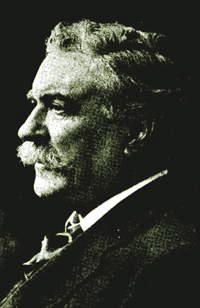
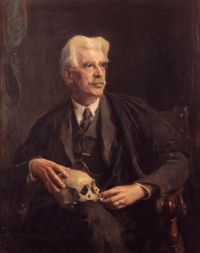
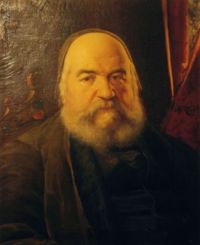
Portrait of Éliphas Lévi Éliphas Lévi,  The history of magic (1922)

“ These profound allegories are a warning to false adepts, profaners of Magic Science and partisans of Black Magic. The power of Black Magic is a contagion of vertigo and an epidemic of unreason. The fatality of passion is like a fiery serpent which twists and writhes about the world devouring the [Pg 517] souls therein. But intelligence—peaceable, smiling and full of love—represented by the Mother of God, sets her foot upon its head. Fatality consumes itself and is that old serpent of Kronos eternally devouring its tail. ”
Source: Gutenberg

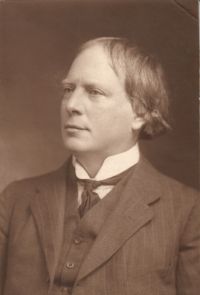
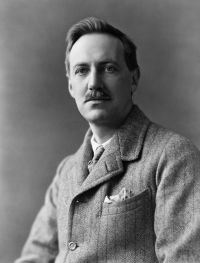
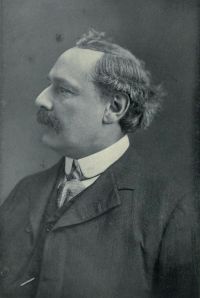
Portrait of Arthur Edward Waite Arthur Edward Waite,  Devil-Worship in France (1896)

“ A religion of the darkness, subsisting under each of these distinctive forms, is said to be in practice at the present moment, and to be characterised, as it was in the past, by the strong evidence of miracles,—in other words, by transcendental phenomena of a very extraordinary kind, connecting in a direct manner with what is generically termed Black Magic. Now, Black Magic in the past may have been imposture reinforced by delusion, and to state that it is recurring at the present day does not commit anyone to an opinion upon its veridical origin. ”
Source: Wikisource

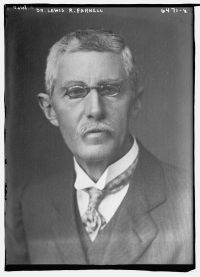
Carveth Read,  The Origin of Man and of His Superstitions

“ When tribal gods come to be recognised, “black” wizards are those who are assisted or inspired by inferior gods or demons, who may be opponents and rivals of the high gods. Hence the same god who, whilst paramount, aids or inspires in an honourable way, may, if deposed or superseded, become the abettor of Black Magic—as happened to our own gods, and to others, before and after the coming [212] of Christianity; for the ancient divine sources of power and prophecy became devils and witch-masters. ”
Source: Gutenberg

Get perspective with Kwize: daily news enlightened by great literature