Boor

Definition and stakes

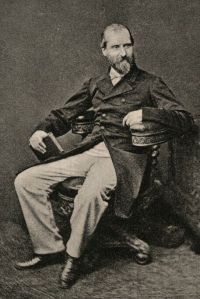
of Norwich Edward,  The Master of Game: The Oldest English Book on Hunting

“ Routing or rooting. A wild boar is said to root when he is feeding on ferns or roots (Turb., pp. 153, 154) .
Argus, as our MS. calls the dew-claws of the boar, were in the later language of venery called the gards (Blome, p. 102) . Twety and Gyfford named the dew-claws of the stag os and of the boar ergos. "How many bestis bere os, and how many ergos? The hert berith os above, the boor and the buk berith ergos."
Grease, as the fat of the boar or sow was called, was supposed to bear medicinal qualities.
”
Source: Gutenberg

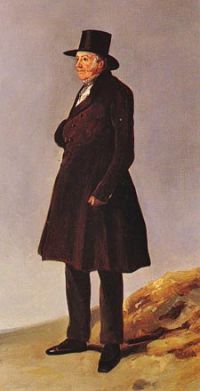
Portrait of Lady Barker Lady Barker,  Station Life in New Zealand

“ Before I close my letter I must tell you of an adventure I have had with a wild boar, which was really dangerous. F—— and another gentleman were riding with me one afternoon in a very lonely gully at the back of the run, when the dogs (who always accompany us) put up a large, fierce, black, boar out of some thick flax-bushes. Of course the hunting instinct, which all young Englishmen possess, was in full force instantly; and in default of any weapon these two jumped off their horses and picked up, out of the creek close by, the largest and heaviest stones they could lift. ”
Source: Gutenberg

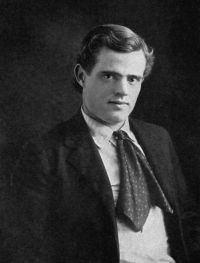
Portrait of Henry Vizetelly Henry Vizetelly,  A History of Champagne, with Notes on the Other Sparkling Wines of France

“ The boar is by no means an animal easy to knock over. The forest roads are never more than ten to fifteen paces broad; and as there are marksmen both on the right and left, it is necessary to reserve your fire until the animal has crossed the road and is plunging again into cover. In addition to this, there are only two spots where a mortal wound can be inflicted upon the boar—either behind the shoulder or in the neck. ”
Source: Gutenberg

Get perspective with Kwize: daily news enlightened by great literature