Cameo

Definition and stakes

A Plain and Literal Translation of the Arabian Nights Entertainments…

“ The Egyptians also were perfectly acquainted with working in cameo (anaglyph) and rilievo, as may be seen in the cavo rilievo of the finest of their hieroglyphs. The Greeks borrowed from them the cameo and applied it to gems (e.g. Tryphon’s in the Marlborough collection) , and they bequeathed the art to the Romans. We read in a modern book “Cameo means an onyx, and the most famous cameo in the world is the onyx containing the Apotheosis of Augustus.” ”
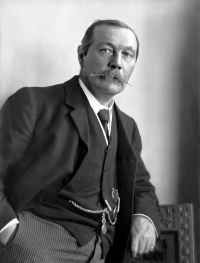
Source: Gutenberg

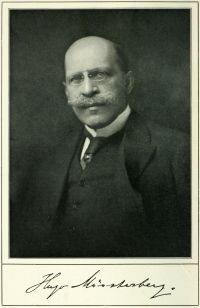
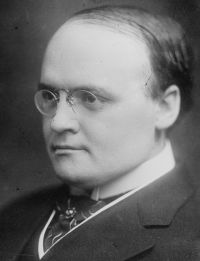
Portrait of Hugo Münsterberg Hugo Münsterberg,  The Photoplay: A Psychological Study

“ As every friend of the film knows, the close-up is a scheme by which a particular part of the picture, perhaps only the face of the hero or his hand or only a ring on his finger, is greatly enlarged and replaces for an instant the whole stage. Even the most wonderful creations, the great historical plays where thousands fill the battlefields or the most fantastic caprices where fairies fly over the stage, could perhaps be performed in a theater, but this close-up leaves all stagecraft behind. ”
Source: Gutenberg

Get perspective with Kwize: daily news enlightened by great literature