Charger (animal)

Definition and stakes

Portrait of James Fenimore Cooper James Fenimore Cooper,  The Last of the Mohicans — Chapter 7 (1826)

“ I know the sound full well, for often have I heard it on the field of battle, and in situations which are frequent in a soldier's life. 'Tis the horrid shriek that a horse will give in his agony; oftener drawn from him in pain, though sometimes in terror. My charger is either a prey to the beasts of the forest, or he sees his danger, without the power to avoid it. The sound might deceive me in the cavern, but in the open air I know it too well to be wrong. ”
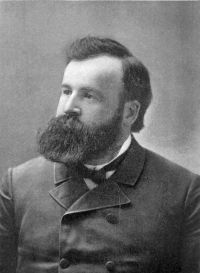
Source: Wikisource

Portrait of W. Hamilton Gibson W. Hamilton Gibson,  Camp Life in the Woods and the Tricks of Trapping and Trap Making

“ When the animal is ready to discharge his battery, he suddenly elevates his large bushy tail, over his body, and turns his back on his enemy. The result of the discharge fills the air for a great distance around, and man and beast fly from the neighborhood of the indescribable and fetid effluvium, which fairly makes one's nostrils ache. ”
Source: Gutenberg

Portrait of W. Hamilton Gibson W. Hamilton Gibson,  Camp Life in the Woods and the Tricks of Trapping and Trap Making

“ Though nearly blind, and therefore incapable of following its prey by sight, it would be active beyond conception, springing this way and that way as it goes along, leaping with lightness and quickness upon any animal which it meets, rending it in pieces in a moment, thrusting its blood-thirsty snout into the body of its victim, eating the still warm and bleeding flesh, and instantly searching for fresh prey. ”
Source: Gutenberg

Get perspective with Kwize: daily news enlightened by great literature