Circulatory system

Definition and stakes

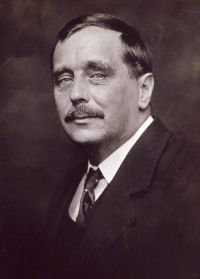
Portrait of Henry Edward Crampton Henry Edward Crampton,  The Doctrine of Evolution: Its Basis and Its Scope

“ The excretory system of kidneys and similar structures collects the ash-waste produced by the burning tissues, and discharges this from the whole mechanism, like the ash hoist of a steamship. The circulatory system, made up of smaller and larger vessels, with or without a heart, transports and propels the blood through the body, carrying the absorbed foods, the supplies of oxygen, and the waste substances of various kinds. All of these four systems are concerned with "commissary" problems, so to speak, which every individual must solve for and by itself. ”

Source: Gutenberg

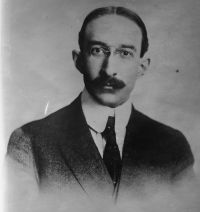
Portrait of Ada S. Ballin Ada S. Ballin,  Science of Dress (1885)

“ The excretory, the lungs, skin, and kidneys, by means of which those waste matters pass out of the body. As far as the subject of clothes is concerned, we have to deal chiefly with the circulatory system in its relation to the skin.
The circulation of the blood is carried on by means of the heart, arteries, and veins.
The heart is a very powerful muscle, which acts as a kind of pumping machine; it is divided down the middle, by a muscular partition, into two parts, called the right and the left side, and no blood can pass from the one side into the other.
”
Source: Wikisource

Get perspective with Kwize: daily news enlightened by great literature