Innervation

Definition and stakes

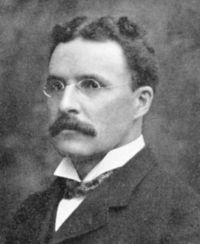
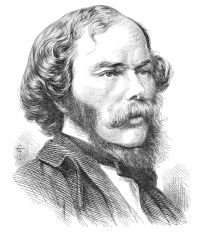
Portrait of George Henry Lewes George Henry Lewes,  The Physical Basis of Mind

“ Thus the impulse on reaching the centres for the heart, lungs, legs, and tail excites the innervation of these organs; but as these are only parts of the organism, and as all the parts enter the consensus, and Consciousness is the varying resultant of this ever-varying consensus, the thrill which any particular stimulus excites will be unconscious, sub-conscious, or conscious, in proportion to the extent of the irradiated disturbance, which will depend on the statical conditions of the centres at the moment. ”
Source: Gutenberg

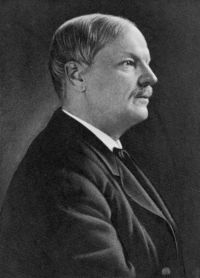
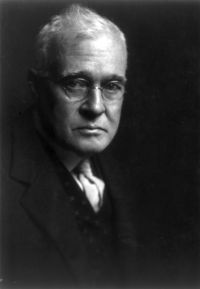
Portrait of Horace Fletcher Horace Fletcher,  The A.B.-Z. of our own nutrition

“ Constituent parts of a complete innervation mechanism—The special duty of the peripheral terminations of afferent nerves—The specific qualities of nerve cells—Analogy between the innervation mechanism of the salivary glands and that of the deeper-lying glands of digestion—The exciting agencies of the nervous mechanism of the salivary glands ”
Source: Gutenberg

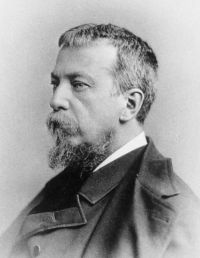
Portrait of Charles Augustus Strong Charles Augustus Strong,  The Philosophical Review (1892)

“ The answer is, that it is nothing more nor less than the antecedent mental image of the movement to be executed. We constantly receive nerve-impulses by the sensory nerves which have their source in the skin, joints, tendons, and muscles; these impulses fuse into an aggregate sensation which informs us about the varying positions of our limbs. Like other sensations, this leaves behind it a mental image, and it is this mental image, brought up as the last result of the play of association, which immediately precedes the external movement and constitutes the "feeling of innervation." ”
Source: Wikisource

Get perspective with Kwize: daily news enlightened by great literature