Compound engine

Definition and stakes

W. S. Lindsay,  History of Merchant Shipping and Ancient Commerce… (1874)

“ The compound engine has two cylinders, one frequently double the diameter of the other. Steam at a high pressure is admitted from the boiler into the smaller cylinder, and, after it has driven the piston up or down, it is allowed to pass into the larger cylinder when, by its expansive property, it assists in driving the larger piston down or up. When it has exerted its full expansive effect, it is then in a condition to be condensed; and thus a compound engine combines the advantages of both a high pressure and low pressure or condensing engines. ”
Source: Gutenberg

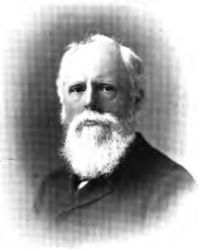
Portrait of Hiram S. Maxim Hiram S. Maxim,  Artificial and Natural Flight

“ Steam at a very high pressure enters the high-pressure cylinder, expands and escapes at a lower pressure into a larger cylinder where it again expands and does more work. A compound engine is more economical in steam than a simple engine, and therefore requires a smaller boiler to develop the same horse-power, so that when we consider the weight of water and fuel for a given time, together with the weight of the boiler and the engine, the engine motor with a compound engine is lighter than a simple engine. ”
Source: Gutenberg

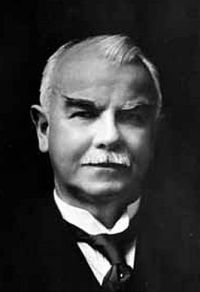
Portrait of Robert Henry Thurston Robert Henry Thurston,  A History of the Growth of the Steam-Engine

“ The change from the side-lever single-cylinder engine, with jet-condenser and paddle-wheels, to the direct-acting compound engine, with surface-condenser and screw-propellers, has occurred within the memory and under the observation of even young engineers, and it may be considered that the revolution has not been completely effected. ”
Source: Gutenberg

Get perspective with Kwize: daily news enlightened by great literature