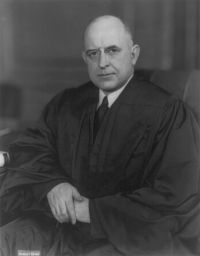
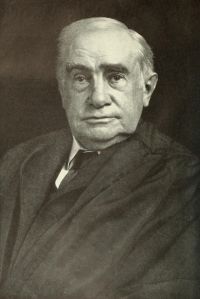
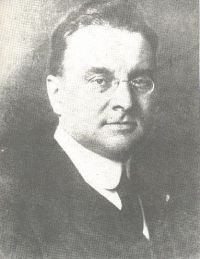
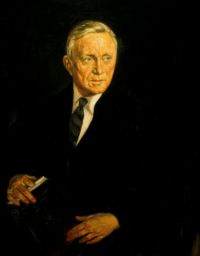
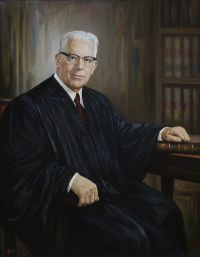
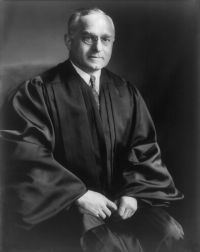
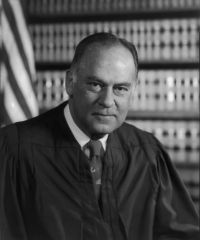
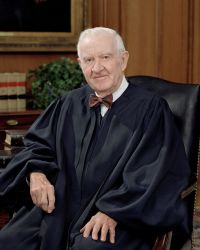
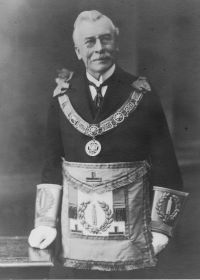
Compulsory licensing refers to the legal mechanism by which a government permits the use of a patented invention or intellectual property without the owner's consent, usually to ensure public access or promote fair competition. This concept has been examined by legal scholars and policy makers, such as Fred A. McKenzie, who emphasized legislative oversight of licensing decisions, and Harold Hitz Burton, who warned that compulsory licensing on its own may not restore market competitiveness.
Judges like Harlan F. Stone stressed the statutory obligation to evaluate each licensing request in light of the public interest, while Stanley Forman Reed highlighted the importance of balancing regulatory power with the efficient use of resources. These viewpoints collectively demonstrate compulsory licensing as a means of reconciling innovation, economic equity, and governmental supervision.
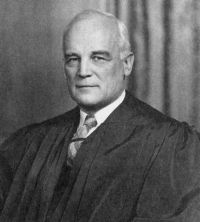 Harold Hitz Burton,
United States v. National Lead Company…
Harold Hitz Burton,
United States v. National Lead Company…