Constitution (biology)

Definition and stakes

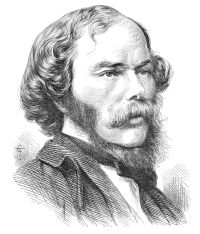
Portrait of Herbert Spencer Herbert Spencer,  The Principles of Biology — Appendix B (1898)

“ It appears to be a general law of organization that structures are stable in proportion to their antiquity—that while organs of relatively modern origin have but a comparatively superficial root in the constitution, and readily disappear if the conditions do not favour their maintenance, organs of ancient origin have deep-seated roots in the constitution, and do not readily disappear. ”
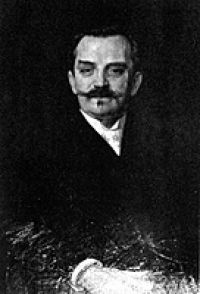
Source: Wikisource

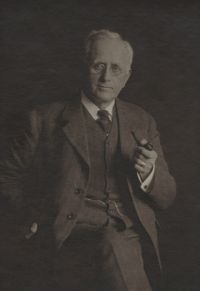
Portrait of Herbert Spencer Herbert Spencer,  The Principles of Biology, Volume 2… (1899)

“ Whether a species of animal produces many offspring of which it takes no care or a few of which it takes much care—that is, whether its reproductive surplus is laid out wholly in germs or partly in germs and partly in labour on their behalf—must have been decided by that moulding of constitution to conditions slowly effected through the more frequent preservation of descendants from those whose reproductive habits were best adapted to the circumstances of the species. ”
Source: Gutenberg

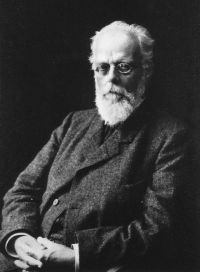
Portrait of Herbert Spencer Herbert Spencer,  The Principles of Biology — Chapter II.9 (1898)

“ Now when the functional divergences thus set up in sundry families of a species have lasted long enough to affect their constitutions, and to modify somewhat the physiological units thrown off in their reproductive cells, the divergences produced by these in offspring will be of divers kinds. And the original homogeneity of constitution having been thus destroyed, variation may go on with increasing facility. ”
Source: Wikisource

Get perspective with Kwize: daily news enlightened by great literature