Recapitulation

Definition and stakes

Clarence Stratton,  Public Speaking

“ Conclusions are classified in general under three headings: 1. Recapitulation; 2. Summary; 3. Peroration.
The Recapitulation. The first of these—recapitulation—is exactly defined by the etymology of the word itself. Its root is Latin caput, head. So recapitulation means the repetition of the heads or main topics of a preceding discussion. Coming at the end of an important speech of some length, such a conclusion is invaluable. If the speaker has explained clearly or reasoned convincingly his audience will have been enlightened or convinced.
”

Source: Gutenberg

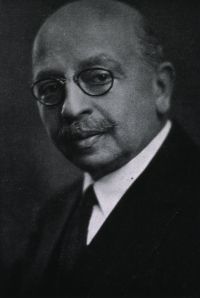
Portrait of Grenville Kleiser Grenville Kleiser,  The Training of a Public Speaker

“ Yet moving the passions will be acknowledged necessary when truth and justice can not be otherwise obtained and when public good is concerned in the decision. All agree that recapitulation may also be employed to advantage in other parts of the pleading, if the cause is complicated and requires many arguments to defend it, and, on the other hand, it will admit of no doubt that many causes are so short and simple as to have no occasion in any part of them for recapitulation. The above rules for the peroration apply equally to the [Pg 102] accuser and to the defendant's advocate. ”
Source: Gutenberg

Get perspective with Kwize: daily news enlightened by great literature