Corned beef

Definition and stakes

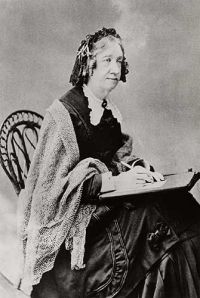
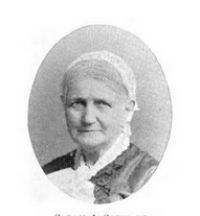
Portrait of Eliza Leslie Eliza Leslie,  Miss Leslie's Complete Cookery

“ If boiled separately from the meat, have ready some melted butter to eat with it.
Should you find the beef under-done, you may reboil it next day; putting it into boiling water and letting it simmer for half an hour or more, according to its size.
Cold corned beef will keep very well for some days wrapped in several folds of a thick linen cloth, and set away in a cool dry place.
In carving a round of beef, slice it horizontally and very thin. Do not help any one to the outside pieces, as they are generally too hard and salt. French mustard is very nice with corned beef.
”
Source: Gutenberg

Mrs. Cornelius,  The Young Housekeeper's Friend

“ It is not too much to allow forty minutes for every pound, after it has begun to boil. The goodness of corned beef depends much on its being boiled gently and long. If it is to be eaten cold, lay it into a coarse earthen dish or pan, and over it a piece of board the size of the meat. Upon this put a clean stone or some other heavy weight. Salt meat is very much improved by being pressed. ”
Source: Gutenberg

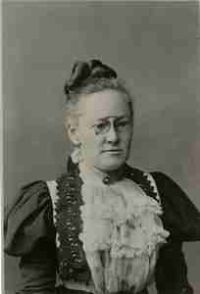
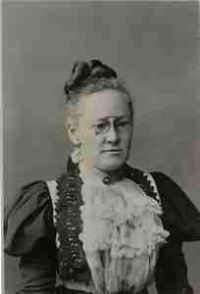
Portrait of Fannie Merritt Farmer Fannie Merritt Farmer,  The Boston cooking-school cook book

“ Corned Beef Corned beef has but little nutritive value. It is used to give variety to our diet in summer, when fresh meats prove too stimulating. It is eaten by the workingman to give bulk to his food. The best pieces of corned beef are the rattle rand and fancy brisket. The fancy brisket commands a higher price and may be easily told from the rattle rand by the selvage on lower side and the absence of bones. The upper end of brisket (butt end) is thick and composed mostly of lean meat, the middle cut has more fat but is not well mixed, while the lower (navel end) has a large quantity of fat. ”
Source: Gutenberg

Get perspective with Kwize: daily news enlightened by great literature