Deed (law)

Definition and stakes

Frederick Pollock,  1911 Encyclopædia Britannica (1911)

“ So the sealed writing was final too, and a man could not deny his own deed. We still say that he cannot, but with modern refinements. Thus the deed, being allowed as a solemn and probative document, furnished a means by which a man could bind himself, or rather effectually declare himself bound, to anything not positively forbidden by law. ”
Source: Wikisource

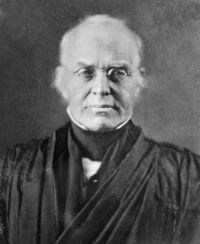
Portrait of Joseph Story Joseph Story,  Speake v. United States — Opinion of the Court

“ To this replication there was a general demurrer and joinder in demurrer, on which the Court below gave judgment for the United States: and we are of opinion that the judgment was right. It is clear, at the common law, that an alteration or addition in a deed, as by adding a new obligor, or an erasure in a deed, as by striking out an old obligor, if done with the consent and concurrence of all the parties to the deed, does not avoid it. ”
Source: Wikisource

Get perspective with Kwize: daily news enlightened by great literature