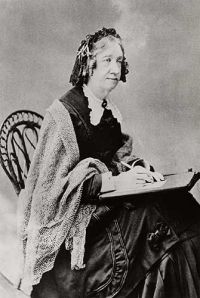
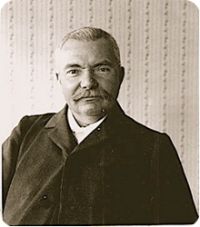
Demeanor, the outward expression of one’s character and emotional state, has long been a central theme in literature, reflecting how individuals manage social expectations and inner conflict. Authors such as Emma Dorothy Eliza Nevitte Southworth emphasize its fluidity, observing how a person’s bearing can change in response to hidden distress, while Catharine Esther Beecher highlights its role in encouraging genuine, unguarded social exchanges. James J.
Walsh contrasts this with critiques of superficiality, pointing to the lack of “loftiness of bearing” in certain individuals. Meanwhile, Charles Stokes Wayne underscores the conflict between inherent disposition and cultivated poise, demonstrating how demeanor can conceal or oppose one’s true nature. These differing viewpoints reveal bearing as both a reflection of inner states and a means of social engagement, influenced by cultural standards and self-control.
 Emma Dorothy Eliza Nevitte Southworth,
For Woman's Love
Emma Dorothy Eliza Nevitte Southworth,
For Woman's Love