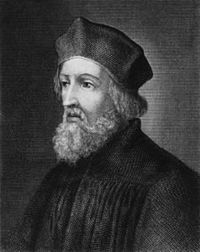
A disclaimer is a statement meant to clarify or limit the extent of rights and responsibilities, often used in legal, contractual, or ethical settings to reduce liability or explain terms. In literature, authors have explored themes of truth, responsibility, and the repercussions of misrepresentation, as seen in Thomas Love Peacock’s remark that truth can be mistaken for libel, or Jan Hus’s call for honest speech to prevent defamation.
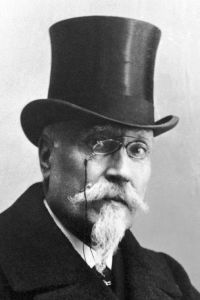
Carl Schurz criticized misleading arguments as an affront to reason, while Plato associated deception with the soul’s greatest aversion. These insights highlight how disclaimers—whether legal or literary—negotiate uncertainty and accountability, revealing conflicts between intention, interpretation, and moral obligation.
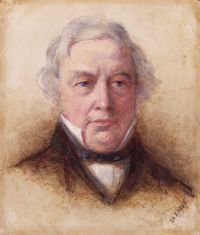 Thomas Love Peacock,
Headlong Hall
(1816)
Thomas Love Peacock,
Headlong Hall
(1816)