Draught animal

Definition and stakes

Louis Duncan,  1911 Encyclopædia Britannica (1911)

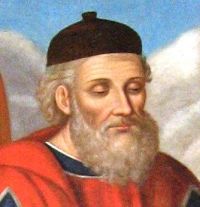
“ Animal Traction.—The oldest form of motive power is that of animals, those most commonly employed for draught purposes on ordinary roads being horses, mules, donkeys and oxen. On the continent of Europe dogs are often harnessed to light carts or barrows, but in England their use in this way was prohibited by the Cruelty to Animals Act of 1854. Camels and elephants are only rarely used as draught animals in special circumstances. ”
Source: Wikisource

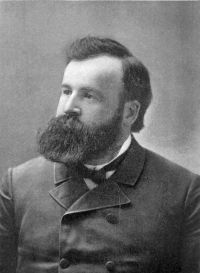
Portrait of W. Hamilton Gibson W. Hamilton Gibson,  Camp Life in the Woods and the Tricks of Trapping and Trap Making

“ Though nearly blind, and therefore incapable of following its prey by sight, it would be active beyond conception, springing this way and that way as it goes along, leaping with lightness and quickness upon any animal which it meets, rending it in pieces in a moment, thrusting its blood-thirsty snout into the body of its victim, eating the still warm and bleeding flesh, and instantly searching for fresh prey. ”
Source: Gutenberg

Agnes C. Laut,  The Story of the Trapper

“ Cougar and lynx and bear rove through the forest ravenous with spring hunger. Otter, too, may be found where the ice mounds of a waterfall are beginning to thaw. But it is not any of these that the trapper seeks. If they cross his path, good—they, too, will swell his account at the fur post. It is another of the little chaps that he seeks, a little, long, low-set animal whose fur is now glistening bright on the deep dark overhairs, soft as down in the thick fawn underhairs, wapistan the marten. ”
Source: Gutenberg

Get perspective with Kwize: daily news enlightened by great literature