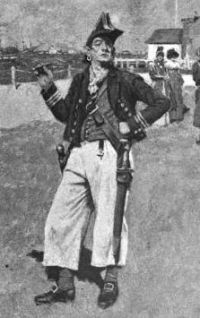
Egg beater

Definition and stakes

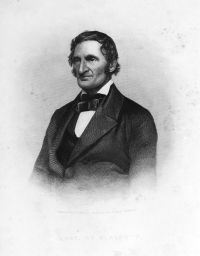
Portrait of Eliza Leslie Eliza Leslie,  Miss Leslie's Lady's New Receipt-Book…

“ There will be no fatigue, if they are beaten with the proper stroke, and with wooden rods, and in a shallow, flat-bottomed earthen pan. The coldness of a tin pan retards the lightness of the eggs. For the same reason do not use a metal egg-beater. In beating them do not move your elbow, but keep it close to your side. Move only your hand at the wrist, and let the stroke be quick, short, and horizontal; putting the egg-beater always down to the bottom of the pan, which should therefore be shallow. Do not leave off as soon as you have got the eggs into a foam ”
Source: Gutenberg

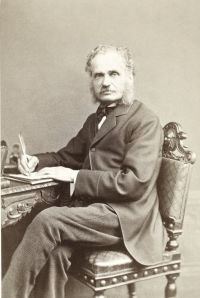
E. E. Kellogg,  Science in the Kitchen

“ It is generally conceded that eggs lightly cooked are most readily digested. What is generally termed a hard-boiled egg is not easily acted upon by the digestive juices, and any other manner of cooking by which the albumen becomes hardened and solid offers great resistance to digestion.
To Beat Eggs.—This may seem trivial, but no dish requiring eggs can be prepared in perfection, unless they are properly beaten, even if every other ingredient is the best. An egg-beater or an egg-whip is the most convenient utensil for the purpose
”
Source: Gutenberg

Pierre Blot,  Hand-Book of Practical Cookery…

“ They are well beaten when, placing a twenty-five and a ten-cent silver piece on the top, they are firm enough to bear them. If the pieces sink, beat again. Always beat eggs in a cool place, they will rise better and faster. (See Egg-beater.)
Basin.—Pay no attention to the old prejudice and belief that metal is not good to beat eggs in. The best and easiest for family use, in which one as well as a dozen whites of eggs can be easily whisked, is of block-tin, and can be made by any tinsmith.
”
Source: Gutenberg

Get perspective with Kwize: daily news enlightened by great literature