Electric organ

Definition and stakes

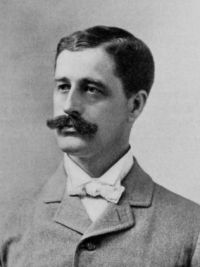
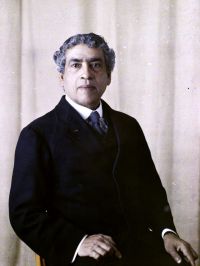
Portrait of A. T. Still A. T. Still,  Philosophy of Osteopathy

“ How would we reason to convey electricity without a connected wire? Not at all, we would know no electric force could reach to any point unless a continued connection was made. Now to the point; suppose the vagus nerve should be oppressed to a condition to cut off part of the electricity, would we be surprised if the heart [Pg 97] should be feeble in action. I think much of the diseases of the "heart" are not of the organ but from a feeble supply of electricity that is cut off in medulla or heart nerves, between heart and brain. ”

Source: Gutenberg

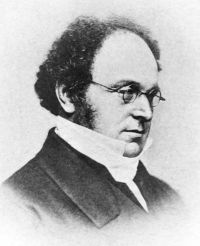
Portrait of John Gray McKendrick John Gray McKendrick,  Life in Motion (1892)

“ Electrical organs, in their physiological behaviour, present many striking resemblances to muscle. Thus they are all richly supplied with nerves. When the nerve is irritated the electrical organ discharges electricity, not as a current, but in a number of short sudden shocks, like the quivers of a muscle in tetanus. The battery, however, does not go off at once. There is a latent period preceding the discharge. The electrical organ is connected with the central nervous system, the nerves Fig. 79—Section of malapterurus, showing the electric organ surrounding the body between a and b. ”
Source: Wikisource

George M. Schweig,  The Electric Bath

“ The stimulant and tonic effects under consideration, although shared to some extent by other methods of electrization, are here far more comprehensive and pronounced, a fact which is not surprising, when we reflect that in the electric bath not only are all the organs indirectly influenced through stimulation of the nervous centres, but each separate organ is at the same time directly acted upon by the current. ”
Source: Gutenberg

Get perspective with Kwize: daily news enlightened by great literature