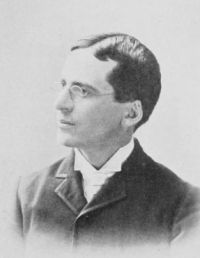
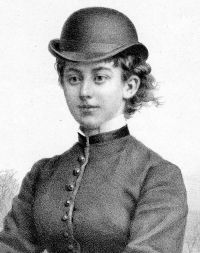
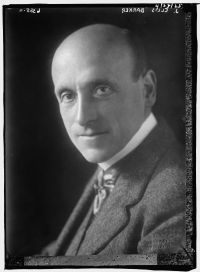
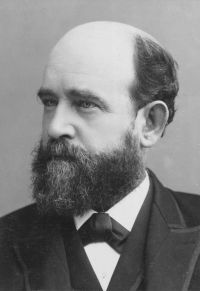
The equites formed the second tier of ancient Roman aristocracy, ranked beneath the senatorial class and determined by property requirements, military service, and administrative functions. From the Republic to the Empire, they transitioned from a hereditary group linked to cavalry duties into a flexible class of officials and military leaders. Historians such as John Henry Freese emphasize their economic influence through tax collection, while George Willis Botsford highlights their role in the military and their openness to social inclusion.
Philosophers like Pierre-Joseph Proudhon and Anna Robertson Brown Lindsay indirectly reflect the equites' legacy by portraying equity as a principle connecting social hierarchies and economic fairness. These viewpoints together reveal the equites as a crucial yet debated foundation of Roman authority, their position reflecting larger conflicts between privilege and achievement in societal frameworks.