Fixed capital

Definition and stakes

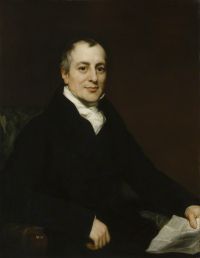
M. Garnier,  An Inquiry Into the Nature and Causes of the Wealth of Nations

“ It is the circulating capital which furnishes the materials and wages of labour, and puts industry into motion. Every saving, therefore, in the expense of maintaining the fixed capital, which does not diminish the productive powers of labour, must increase the fund which puts industry into motion, and consequently the annual produce of land and labour, the real revenue of every society. ”
Source: Gutenberg

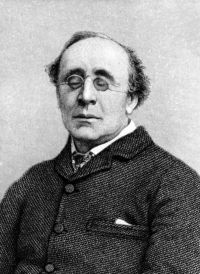
Portrait of W. H. Mallock W. H. Mallock,  Aristocracy & Evolution

“ And what is true of fixed capital is true of wage capital also; for fixed capital, such as machines, buildings, or railways, is the result of wage capital, as employed to direct labour, and is therefore wage-capital externalised in the objective results of its employment. But fixed capital, or a man’s productive power externalised, differs from his productive power when exercised by himself through wage capital. It is a part of his power which he can separate from his own personality, and which he can make over to others, just as a slave-owner might make over a body of slaves ”
Source: Gutenberg

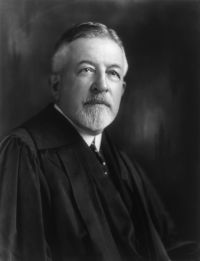
Portrait of Rosa Luxemburg Rosa Luxemburg,  The Accumulation of Capital

“ Since the term of life of the aggregate fixed capital, with a 10 per cent wear and tear, is ten years ex hypothesi, the fixed capital needs renewal only after the lapse of ten years. Meanwhile one-tenth of its value enters into social production in every year. If all the fixed capital of a society, with the same rate of wear and tear, were of equal durability, it would, on our assumption, need complete renewal once within ten years. ”
Source: Gutenberg

Get perspective with Kwize: daily news enlightened by great literature