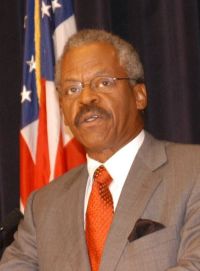
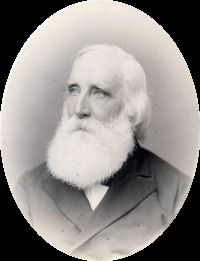
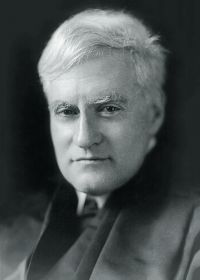
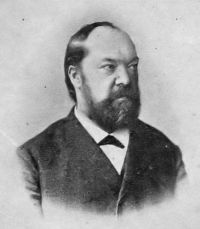
Freedom of movement, a fundamental human right, includes the ability to travel, settle, and cross borders, as guaranteed in Article 13 of the Universal Declaration of Human Rights. Although legal systems acknowledge this right, governments frequently impose limitations, often citing concerns for public safety or order. Scholars such as William O.
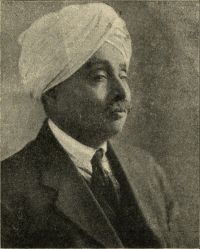
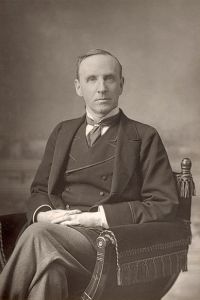
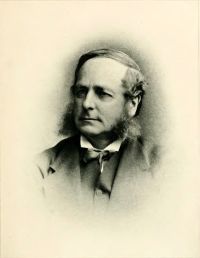
Douglas highlighted its importance in preserving societal freedoms, comparing it to rights of assembly and association. Bernard Shaw viewed it as a reward for self-determination, while Lala Lajpat Rai and Chitta Ranjan Das connected it to wider social and political struggles. These viewpoints emphasize the conflict between personal freedom and state control, illustrating freedom of movement as both a legal concept and a subject of ongoing debate.
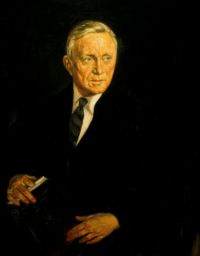 William O. Douglas,
Aptheker v. Secretary of State…
William O. Douglas,
Aptheker v. Secretary of State…