Good (goods)

Definition and stakes

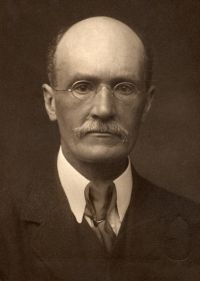
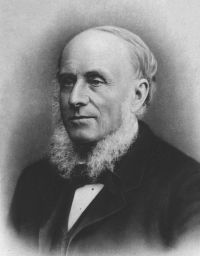
Portrait of George Edward Moore George Edward Moore,  Principia Ethica — Chapter VI (1903)

“ But, as a matter of fact, I cannot avoid thinking that there are wholes, containing something positively evil and ugly, which are, nevertheless, great positive goods on the whole. Indeed, it appears to be to this class that those instances of virtue, which contain anything intrinsically good, chiefly belong. It need not, of course, be denied that there is sometimes included in a virtuous disposition more or less of those unmixed goods which were first discussed—that is to say, a real love of what is good or beautiful. ”
Source: Wikisource

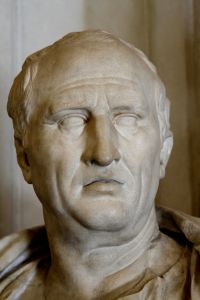
Portrait of Marcus Tullius Cicero Marcus Tullius Cicero,  The Academic Questions, Treatise De Finibus… (1891)

“ What kind of man, then, is it that nature has commenced? and what is the office and task of wisdom? What is it that ought to be finished and completed by her? If there is nothing to be made further in man, except some kind of motion of the mind, that is to say, reason, then it follows, that the ultimate object is to mould the life according to virtue. For the perfection of reason is virtue. If there is nothing but body, then the chief goods must be good health, freedom from pain, beauty, and so on. The question at this moment is about the chief good of man. ”
Source: Wikisource

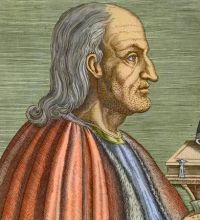
Portrait of Saint Anselm Saint Anselm,  Monologium — On the Being of God

“ But, since the reasoning which we have observed is in no wise refutable, necessarily, again, all things, whether useful or honorable, if they are truly good, are good through that same being through which all goods exist, whatever that being is. But who can doubt this very being, through which all goods exist, to be a great good? ”
Source: Wikisource

Get perspective with Kwize: daily news enlightened by great literature