Guna

Definition and stakes

báró József Eötvös,  The Village Notary: A Romance of Hungarian Life

“ I prove that I was in the 'usus:' that I have always ploughed and reaped to a certain point—say a stone, or tree, or any thing you like. Very well. You say it's a bad habit of mine, and that the field belongs to you. But it's all of no use: I've the usus on my side, and if you go on with your action you're a fool, that's all. Or say, you and I are joint proprietors of a farm. I keep sheep, and you don't. [Pg 247] At last you take it into your head to keep sheep. But I say, 'No, you shall not!' And why? Because I've the usus for me!"
[27] See Note X.
"But of what use is all this in our case?"
”
Source: Gutenberg

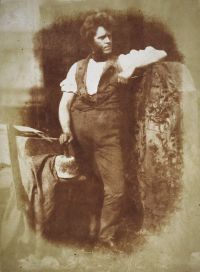
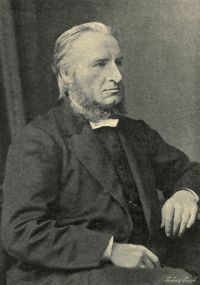
Portrait of Hugh Miller Hugh Miller,  My Schools and Schoolmasters; Or…

“ We speak of the cunning workman, and we speak of the cunning man; and refer to a certain faculty of contrivance manifested in dealing with characters and affairs on the part of the one, and in dealing with certain modifications of matter on the part of the other; but so entirely different are the two faculties, and, further, so little dependent are they, in at least their first elements, on intellect, that we may find the cunning which manifests itself in affairs, [Pg 408] existing, as in Angus, totally dissociated from mechanical skill ”
Source: Gutenberg

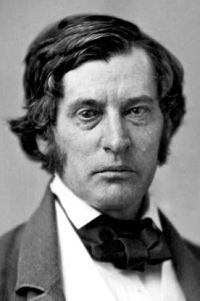
Portrait of Charles Sumner Charles Sumner,  Charles Sumner: his complete works…

“ When I speak of all the faculties, I mean all those which enter into and form the character created in the image of God, not merely those which minister to the selfish ends of life. There are faculties for business; there are others which open to us the avenues of knowledge,—others which connect us by chains soft as silk, but strong as iron, to the social and domestic circle,—others still which reveal to us, in vistas of infinite variety and inconceivable extension, our duties to God and man. ”
Source: Gutenberg

Get perspective with Kwize: daily news enlightened by great literature