Hatchling

Definition and stakes

Robert G. Webb,  North American Recent Soft-Shelled Turtles…

“ The transition from the dark coloration of hatchlings to the paler coloration of adults is gradual and subject to individual variation. The loss of dark color ventrally occurs first on the plastral area, then the hind limbs, forelimbs, posterior part of carapace and last on the neck and throat. The soft parts of the body dorsally are gray or dark gray, and do not become so pale as the ventral surface. The smallest specimen that I have seen displaying the dark features of the hatchlings is a male, 7.7 centimeters (UMMZ 100673) ”
Source: Gutenberg

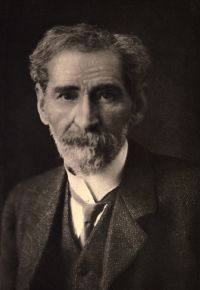
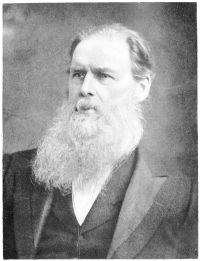
Portrait of Richard Jefferies Richard Jefferies,  The Life of the Fields

“ When the pleasurable cares of the nest are concluded, it is possible that they may in some cases cross the sea solely for the solace of change. Variety of food is itself a great pleasure. By prehistoric memory is meant the unconscious influence of ancient habit impressed upon the race in times when the conformation of land and sea and the conditions of life were different. No space is left for a mysterious agency; migration is purely natural, and acts for the general preservation. Try to put yourself in a bird's place, and you will see that migration is very natural indeed. ”
Source: Gutenberg

Robert G. Webb,  North American Recent Soft-Shelled Turtles…

“ Over-all coloration of adults grayish, paler than in hatchlings; carapace gray sometimes having slightly darker, large, irregular markings; mottled and blotched pattern on females not contrasting; sex of many large individuals not distinguishable on basis of pattern on carapace; pale rim of carapace obscure or absent; soft parts of body dorsally gray or brownish on large adults of both sexes, sometimes having slightly paler, large markings; small adult males usually having contrasting pattern on head ”
Source: Gutenberg

Get perspective with Kwize: daily news enlightened by great literature