Headwind

Definition and stakes

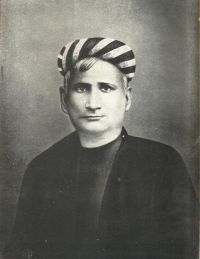
Portrait of Bankim Chandra Chattopadhyay Bankim Chandra Chattopadhyay,  Chandra Shekhar (1904)

“ At last, you find that the wind has become uproarious in its noise—the air is filled with tumultuous howls; the waves have suddenly got swollen, and rocking their proud heads, break in dashing fury; a gloom is cast all around; a head-wind stands in the way of your boat and getting hold of its prow, strikes it against the water—at times, it turns the face of the boat backwards—you understand what all these mean, and making a nod to the God of wind for your experience, take your boat to the shore!
The same thing happened with Shaibalini's boat. Not long after dawn, the wind became very strong.
”
Source: Wikisource

Sinclair Lewis,  The Trail of the Hawk: A Comedy of the Seriousness of Life

“ Sometimes the wind don't bother me when I am flying, and sometimes, like to-day, it seems as though the one thing in the whole confounded world is the confounded wind that roars in your ears and makes your eyes water and sneaks down your collar to chill your spine and goes scooting up your sleeves, unless you have gauntlets, and makes your ears sting. Roar, roar, roar, the wind's worse than the noisiest old cast-iron tin-can Vrenskoy motor. ”
Source: Gutenberg

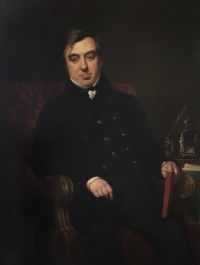
Portrait of James Fenimore Cooper James Fenimore Cooper,  Homeward Bound; Or, the Chase: A Tale of the Sea

“ Throughout the day it blew furiously, for the ship was running into the gale, a phenomenon that we shall explain, as most of our readers may not comprehend it. All gates of wind commence to leeward; or, in other words, the wind is first felt at some particular point, and later, as we recede from that point, proceeding in the direction from which the wind blows. It is always severest near the point where it commences, appearing to diminish in violence as it recedes. ”
Source: Gutenberg

Get perspective with Kwize: daily news enlightened by great literature