Higher nature

Definition and stakes

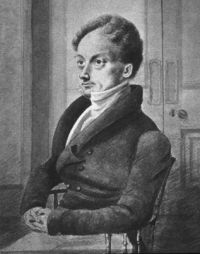
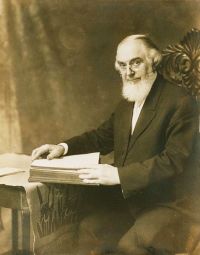
Portrait of James Hutchins Baker James Hutchins Baker,  Education and life (1900)

“ The natural world, plants, animals, the human race, institutions, science, art, religion, all animate individual beings, man as an individual, have their history of development, which suggests its lesson.
Nature is aspiration. From chaos to the world of this geologic age, from protoplasm to man, from savagery to civilization, from ignorance to culture, from symbolism to developed art, from egoism to altruism, from germ to fruit, from infancy to maturity, from realization to higher realization, has been the process.
”
Source: Gutenberg

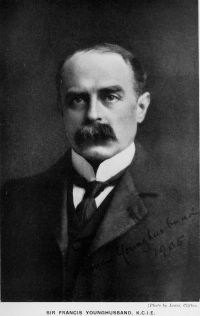
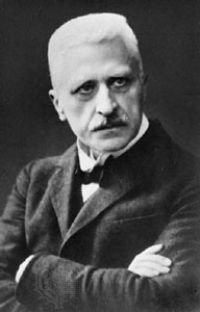
Portrait of Johann Gottlieb Fichte Johann Gottlieb Fichte,  Characteristics of the Present Age (1806)

“ The outward purpose of this dominion of the Race over Nature is, as we have said in one of our first lectures, a double purpose:—Either that Nature may be subjected merely to the purpose of rendering our sensuous existence more easy and agreeable,—whence arise the Mechanical Arts; or that it may be subjected to the higher spiritual wants of man, and have stamped upon it the majestic image of the Idea,—whence arises Fine Art. ”
Source: Wikisource

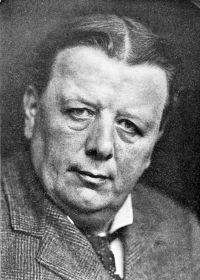
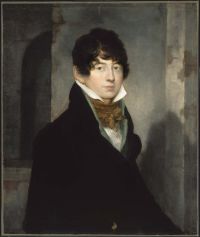
Portrait of James Mill James Mill,  Analysis of the Phenomena of the Human Mind

“ But besides these there are other elements constituting the beauty, properly speaking, of the trees, which appeal to other, and what we are accustomed, not without meaning, to call higher, parts of our nature; which give a stronger stimulus and a deeper delight to the imagination, because the ideas they call up are such as in themselves act on the imagination with greater force. ”
Source: Gutenberg

Get perspective with Kwize: daily news enlightened by great literature