Indirect tax

Definition and stakes

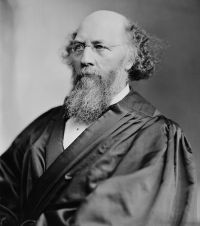
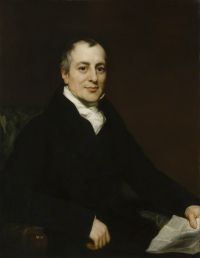
Portrait of John Stuart Mill John Stuart Mill,  Principles of Political Economy

“ A direct tax is one which is demanded from the very persons who, it is intended or desired, should pay it. Indirect taxes are those which are demanded from one person in the expectation and intention that he shall indemnify himself at the expense of another: such as the excise or customs. The producer or importer of a commodity is called upon to pay tax on it, not with the intention to levy a peculiar contribution upon him, but to tax through him the consumers of the commodity, from whom it is supposed that he will recover the amount by means of an advance in price. ”
Source: Gutenberg

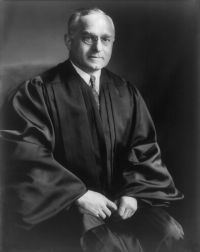
Portrait of Arthur Latham Perry Arthur Latham Perry,  Principles of Political Economy

“ There has been a great amount of discussion on the point whether direct or indirect taxation be the more eligible form; but the reader of penetration will perceive that there is not at bottom any very radical difference between them; each is alike a tax on actual or possible exchanges, with this main difference, that men pay indirect taxes as a part of the price of the goods they buy, without thinking perhaps that it is a tax they are paying, and consequently without any of the repugnance that is sometimes felt towards a tax-gatherer who comes with an unwelcome demand. ”
Source: Gutenberg

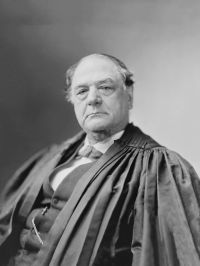
Portrait of Gertrude Foster Brown Gertrude Foster Brown,  Your vote and how to use it (1918)

“ Indirect taxes can be evaded by abstaining from the activity that is taxed. They can usually also be shifted to others, and are generally paid by the consumer, or user of the article that is taxed. In general, direct taxes are levied by the State and municipal governments, while the National government derives its revenue (with the exception of the income tax) mainly from indirect taxes. ”
Source: Gutenberg

Get perspective with Kwize: daily news enlightened by great literature