Intellectual virtue

Definition and stakes

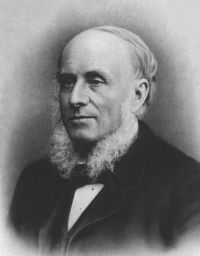
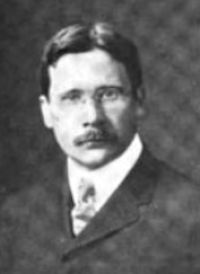
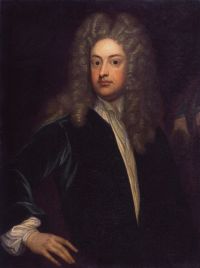
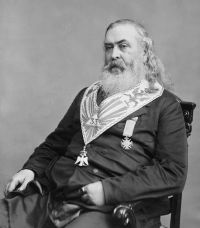
Portrait of Albert Pike Albert Pike,  Morals and Dogma of the Ancient and Accepted Scottish Rite of Freemasonry

“ To diffuse useful information, to further intellectual refinement, sure forerunner of moral improvement, to hasten the coming of the great day, when the dawn of general knowledge shall chase away the lazy, lingering mists of ignorance and error, even from the base of the great social pyramid, is indeed a high calling, in which the most splendid talents and consummate virtue may well press onward, eager to bear a part. ”
Source: Gutenberg

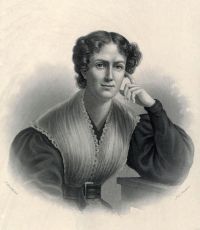
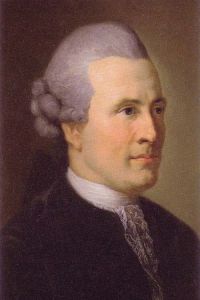
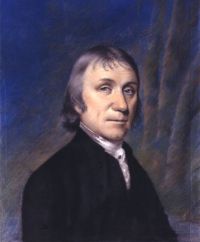
Portrait of Joseph Priestley Joseph Priestley,  Heads of Lectures on a Course of Experimental Philosophy…

“ But the greatest branch of intellectual [Pg xv] excellence with respect to which every other is nothing, and which, from its nature, can never be foundation of any self-conceit, is virtue, or right dispositions of mind, leading to right conduct in life. Proper sentiments, and just affections of mind, arise from just, and often comprehensive, views of things, past, present, and to come. ”
Source: Gutenberg

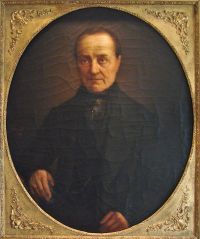
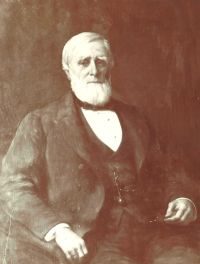
Portrait of Alexander Bain Alexander Bain,  Moral Science; a Compendium of Ethics

“ He begins Chapter VIII. by defining Virtue as something that is valued for eminence, and that consists in comparison, but proceeds to consider only the intellectual virtues—all that is summed up in the term of a good wit—and their opposites. Farther on, he refers difference of wits—discretion, prudence, craft, &c.—to difference in the passions, and this to difference in constitution of body and of education. The passions chiefly concerned are the desires of power, riches, knowledge, honour, but all may be reduced to the single desire of power. ”
Source: Gutenberg

Get perspective with Kwize: daily news enlightened by great literature