Intensive farming

Definition and stakes

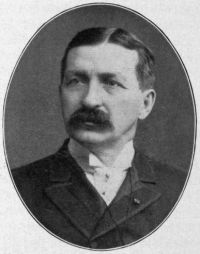
Portrait of John Williams Streeter John Williams Streeter,  The Fat of the Land: The Story of an American Farm

“ Our arid lands will be made fertile by irrigation, but they will add only a small percentage to the amount already in quasi-cultivation. Our future food supplies must be drawn largely from the six million farms now under fences. These farms must be made to yield fourfold their present product, or they will fall short, not only of the demands made upon them, but also of their possibilities. That is why I preach the gospel of intensive farming, for grain, hay, market, and factory farm alike. ”
Source: Gutenberg

Various,  Popular Science Monthly (1901)

“ Under these conditions the area of land devoted to the several grain crops diminishes in ratio to that given to other crops, varied farming taking the place of the all-wheat or all-corn system. But by the introduction of intensive farming there is a steady improvement and increase in the quantity and the quality of the crops derived from a given area of soil. The wheat needed for home use will keep even with population for many years without any increase in area. ”
Source: Wikisource

Portrait of John Andreas Widtsoe John Andreas Widtsoe,  Dry-Farming : A System of Agriculture for Countries under a Low Rainfall

“ In the arid and semiarid regions it is now a commonly accepted doctrine that upon the expensive irrigated lands should be grown fruits, vegetables, sugar beets, and other intensive crops, while wheat, corn, and other grains and even much of the forage should be grown as extensive crops upon the non-irrigated or dry-farm lands. It is to be hoped that the time is near at hand when it will be a rarity to see grain grown upon irrigated soil, providing the climatic conditions permit the raising of more extensive crops. ”
Source: Gutenberg

Get perspective with Kwize: daily news enlightened by great literature