Journal (periodical)

Definition and stakes

Benjamin Eli Smith,  The New International Encyclopædia (1905)

“ The periodical, as thus defined, originated in France in the seventeenth century, and in the form of the critical literary journal. The first example of it is also one of the most famous and the longest lived, for its publication has continued, though with many interruptions, until the present day—namely the Journal des Savants. The idea which it embodied was conceived about 1663 by the historian Mézeray, who proposed to establish a weekly journal in which should be “made known what was happening in the republic of letters.” His project came to nothing ”

Source: Wikisource

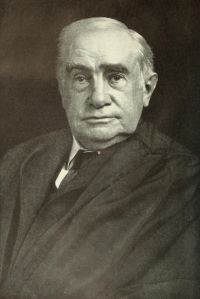
Portrait of Henry Richard Tedder Henry Richard Tedder,  1911 Encyclopædia Britannica (1911)

“ In modern times the weekly journal has become so much of the nature of a newspaper that it seldom can be called a periodical in this sense. The present article chiefly deals with publications devoted to general literature, literary and critical reviews and magazines for the supply of miscellaneous reading. In the article Societies (q.v.) an account is separately given of the transactions and proceedings of learned and scientific bodies, Year-books, almanacs, directories and other annuals belong to a distinct type of publication, and are not referred to here. ”
Source: Wikisource

C. E. Page,  The Natural Cure of Consumption…

“ Young people should read the Journal, that they may make the most of themselves. It has long met with the hearty approval of the press and the people.
N. Y. Times says: “The Phrenological Journal proves that the increasing years of a periodical is no reason for its lessening its enterprise or for diminishing its abundance of interesting matter.
”
Source: Gutenberg

Get perspective with Kwize: daily news enlightened by great literature