Knight (chess)

Definition and stakes

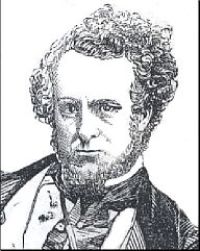
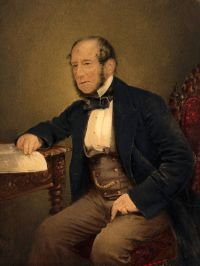
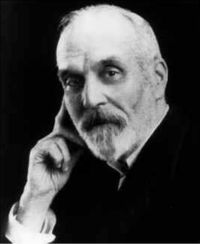
Portrait of Henry Ernest Dudeney Henry Ernest Dudeney,  Amusements in Mathematics

“ For pure cussedness the knight has no equal, and when you chase him out of one hole he skips into another." Attempts have been made over and over again to obtain a short, simple, and exact definition of the move of the knight—without success. It really consists in moving one square like a rook, and then another square like a bishop—the two operations being done in one leap, so that it does not matter whether the first square passed over is occupied by another piece or not. It is, in fact, the only leaping move in chess. ”
Source: Gutenberg

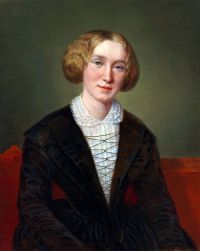
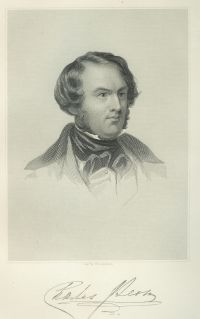
Portrait of Charles James Lever Charles James Lever,  Sir Jasper Carew: His Life and Experience

“ The pawn on the chess-board has a life of a very uneventful character, simply because his progress is slow, methodical, and unchanging. Not so the knight, who, with all the errantry of his race, dashes here and there, encountering every rank and condition of men,—continually in difficulties himself, or the cause of them to others. ”
Source: Gutenberg

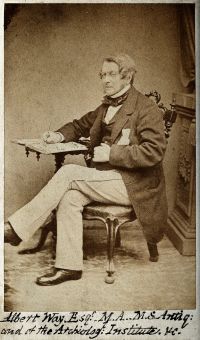
Portrait of Albert Way Albert Way,  Archaeological Journal (1846)

“ A chess-knight, of a later period, carved in ivory, and highly interesting as a re- presentation of the armour for man and horse, in use during the reign of Edward III., has been kindly communicated by the Rev. John Eagles. This little figure is remarkable in various details of costume, which are defined with remarkable precision: it is probably of Flemish workmanship, the legs of the horse have been broken off, but in the annexed representation Mr. Jewitt has given them as restored. The knight is armed in a visored basinet, with a camail, and a hauberk with long sleeves ”
Source: Wikisource

Get perspective with Kwize: daily news enlightened by great literature