Labeling

Definition and stakes

Archon Fung,  Full disclosure: The perils and promise of transparency (2008)

“ Labeling of genetically modified foods was not an unreasonable approach to promoting more efficient markets, improving consumer choice, and creating incentives for minimizing the risks of genetic modification – goals that Europe, the United States, and developing countries shared. In the past, governments had often employed food labeling to promote public health and inform consumer choice when individual preferences differed. Europe and the United States already specified the labeling of ingredients, allergens, and nutrients in packaged foods. ”

Source: Wikisource

Archon Fung,  Full disclosure: The perils and promise of transparency (2008)

“ Antiregulatory sentiment ran high in the United States in the mid-1990s, following gains by conservatives in the midterm elections of 1994. Experts in government and the private sector debated safeguards and determined that no new regulatory system was needed for genetically modified foods. Risks could be considered product by product – just like risks associated with other advancing food technologies. Interestingly, the U.S . food industry favored a mandatory safety assessment for genetically modified foods, although the industry opposed mandatory labeling. ”
Source: Wikisource

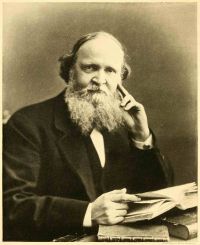
Portrait of F. Max Müller F. Max Müller,  Lectures on the Science of Language

“ The object of classification is clear. We understand things if we can comprehend them; that is to say, if we can grasp and hold together single facts, connect isolated impressions, distinguish between what is essential and what is merely accidental, and thus predicate the general of the individual, and class the individual under the general. This is the secret of all scientific knowledge. Many sciences, while passing through this second or classificatory stage, assume the title of comparative. ”
Source: Gutenberg

Get perspective with Kwize: daily news enlightened by great literature