Labor strike

Definition and stakes

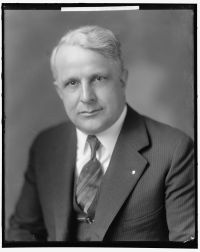
Portrait of Helen Marot Helen Marot,  Creative Impulse in Industry: A Proposition for Educators

“ But any one who follows the sacrifices which organized workers make for some small and equivocal gain or who watches them in their periods of greatest activity, knows that the labor movement gets its stimulus, its high pitch of interest, not from its struggle for higher wage rates, but from the worker's participation in the administration of affairs connected with life in the shop. The real tragedy in a lost strike is not the failure to gain the wage demand; It is the return of the defeated strikers to work, as men unequipped with the administrative power—as men without will. ”
Source: Gutenberg

American Academy of Political and Social Science,  Social legislation and social activity (1902)

“ The strike of labor is in another form the holding of the purse-strings of the nation, to protest against injustice and wrong being meted out to the laborers. It is the determination of the workers that in the last analysis, if there be no other means by which their rights may be accorded and their wrongs righted, they may say with Lincoln, “Thank God, we live in a country where the people may strike!” ”
Source: Gutenberg

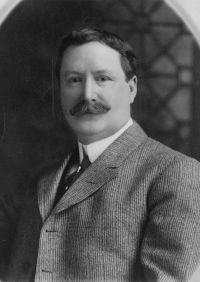
Portrait of William J. Burns William J. Burns,  The Crevice

“ Instead of relating merely the incidents of a labor strike in a manufacturing city––and that city a far-distant one––it became speedily a sociological question of almost national import. The yellow journals were quick to seize upon it at the psychological moment of civic unrest, and throw out hints, vague but vast in their significance, of the mighty interests behind the mere fact of the strike, the great financial question involved, the crisis between capital and labor, the trusts and the common people, the workers and the wasters, in the land of the free. ”
Source: Gutenberg

Get perspective with Kwize: daily news enlightened by great literature