Legal pleading

Definition and stakes

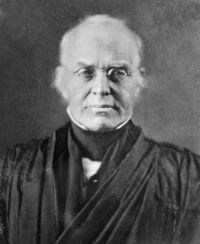
Peter Vivian Daniel,  Hogan v. Ross (54 U.S. 173) — Opinion of the Court

“ If in our examination of the decision of the Circuit Court, it were deemed necessary to pass upon the legal effect of the pleas tendered by the defendants below, and overruled by the court, we could have no hesitation in pronouncing each of those pleas bad upon demurrer. It is a settled rule in pleading, that wherever a plea in its commencement professes to respond to the entire declaration or count, and is in substance and reality in answer to part only of such declaration or count, the plea is bad, and the defect may be availed of, upon demurrer. ”
Source: Wikisource

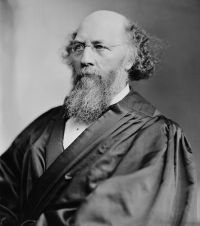
Portrait of Stephen Johnson Field Stephen Johnson Field,  Bean v. Beckwith — Opinion of the Court

“ It is an old rule of pleading, which, in the modern progress of simplifying pleadings, has not lost its virtue, that whenever one justifies in a special plea an act which in itself constitutes at common law a wrong, upon the process, order, or authority of another, he must set forth substantially and in a traversable form the process, order, or authority relied upon, and that no mere averment of its legal effect, without other statement, will answer. ”
Source: Wikisource

Get perspective with Kwize: daily news enlightened by great literature