Legalism, as a concept, refers to strict adherence to the letter of the law, often at the expense of its underlying principles or ethical dimensions. It emphasizes compliance with rules as the foundation of moral and legal behavior, prioritizing the textual interpretation of legal systems—such as statutes or judicial precedents—over contextual or social considerations. This perspective has been both critiqued and examined by thinkers such as A. T.
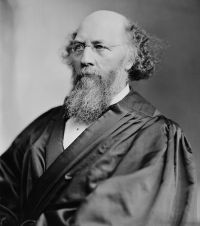
Robertson, who contrasted legalism’s restrictive tendencies with Christian liberty, and Lysander Spooner, who advocated for interpreting laws in defense of individual freedom. At the same time, legal experts like Samuel Freeman Miller highlighted the evolving relationship between court rulings and changing legal standards. Legalism, therefore, represents both a form of legal analysis and a philosophical struggle between inflexibility and flexibility, illustrating ongoing discussions about justice and power.