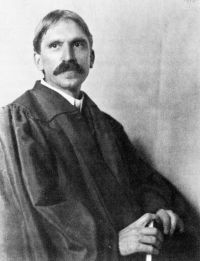
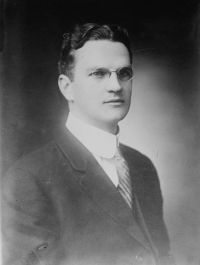
A liberal education, grounded in the medieval liberal arts and Enlightenment ideals, seeks to nurture free, intellectually independent individuals through broad knowledge, ethical awareness, and active participation in civic life. Authors such as Woodrow Wilson highlighted its importance in promoting social unity and democratic values, while Mortimer Adler connected it to personal liberty and the sustainability of democratic societies.
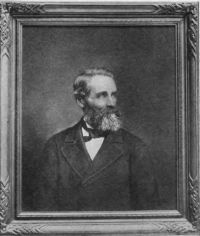
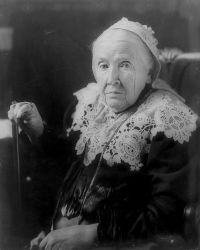
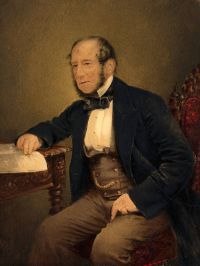
William Parsons Atkinson distinguished it from vocational training, contending that it enables individuals to become "intellectual freemen," and Charlotte M. Mason emphasized its role in cultivating moral character. These viewpoints together illustrate its lasting purpose: to prepare individuals with critical thinking and flexibility, harmonizing intellectual depth with ethical and social responsibility, even as contemporary education increasingly focuses on specialization.
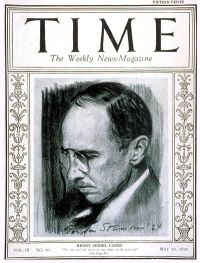 Henry Seidel Canby,
Everyday Americans
Henry Seidel Canby,
Everyday Americans