Mealtime

Definition and stakes

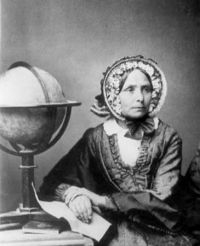
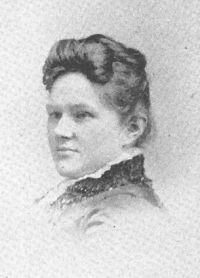
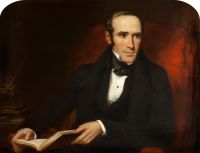
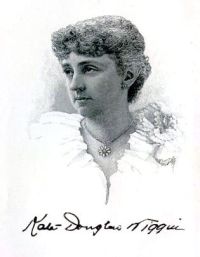
Portrait of Kate Douglas Smith Wiggin Kate Douglas Smith Wiggin,  Half-A-Dozen Housekeepers: A Story for Girls in Half-A-Dozen Chapters

“ Let us get up at five to-morrow morning, have a simple breakfast of—”
“Cornmeal mush or dry bread and milk,” finished Lilia, with grim sarcasm. “If time must be saved, of course, it must come out of the cooking! How are we to do this amount of work on a low diet, I should like to know?”
“How are the cooks to get time for anything outside the kitchen if they humor your unnatural appetites! Out of kindness, we propose to lower you gradually, meal by meal, into the pit of boarding-school fare.”
”
Source: Gutenberg

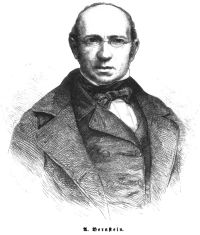
J. F. Clymer,  Food and Morals

“ All our meals should be eaten calmly and deliberately, so as to thoroughly masticate the food, and not impose on the stomach and viscera the legitimate work of the teeth. In the interest of health to soul as well as body I enter an earnest plea for more time for eating, and especially at noon, when most hard working people take their principal meal. Clerks, business men, and school teachers, mechanics, laborers, and our children who attend the public schools, need more time at noon to properly dispose of the chief meal of the day. ”
Source: Gutenberg

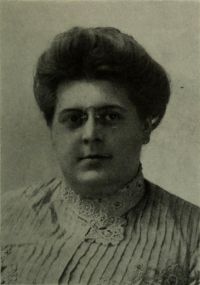
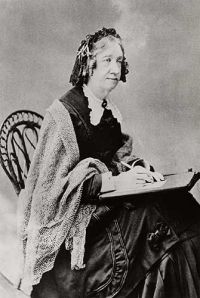
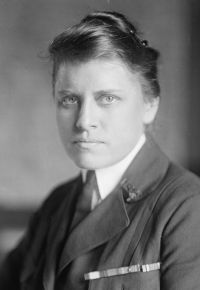
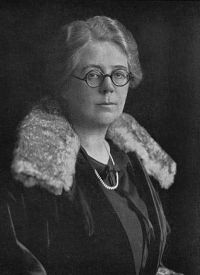
Portrait of Mrs. C. S. Peel Mrs. C. S. Peel,  The Labour-saving House

“ In cold weather I can switch on my bedroom fire from my bed, and as my gas-ring has a long tube, heat my coffee without getting out of bed if I please.
"After breakfast I get up and put on an overall instead of my dress. With no fires and no washstand work and my long-handled cleaners the work is quickly done. I prepare what I need for lunch and dinner; food is so simple a matter when you live alone: my lunch, for example, is generally milk pudding, cheese and fruit, and my dinner of [137] two courses, meat or fish and sweet or cheese, and often I buy cooked food if I am very busy.
”
Source: Gutenberg

Get perspective with Kwize: daily news enlightened by great literature