Merchant class

Definition and stakes

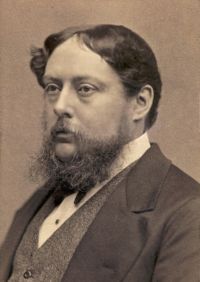
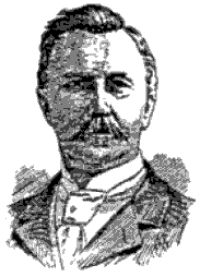
Portrait of Edward Carpenter Edward Carpenter,  The Healing of Nations and the Hidden Sources of Their Strife

“ It is, in fact, in order to secure this margin that the merchant class arises. This is, of course, a very simple and elementary statement of the problem, and the exceptions to it or modifications of it may be supplied by the reader. But in the main it embodies the very obvious truth that trade is created for the advantage of the trader (who often also in modern times is the manufacturer himself) . What advantages may here and there leak through to the public or to the employee are small and, so to speak, accidental. ”
Source: Gutenberg

Jonathan Elliot,  Debates in the Several State Conventions on the Adoption of the Federal Constitution (1907)

“ The interest of the mercantile class may happen to differ from that of the whole community. For example; it is, generally speaking, the interest of the merchant to import and export every thing; the interest of manufacturers to lessen imports in order to raise the price of domestic fabrics, and to check exports, where they may enhance the price of raw materials. ”
Source: Wikisource

Fredy Perlman,  Manual for Revolutionary Leaders (1974)

“ Yet even while he internalized the authoritative negation of his activity, the merchant continued to practice his increasingly profitable calling in a situation where the powers of authorities, of monarch, nobility and Church, increasingly depended on the fruit of the merchant's sin, on money. When the merchant's activity of buying and selling was combined with the artisan's commodity production, money became Capital and the merchant became a personification of means of production, a capitalist—centuries before the development of economics, middle class morality, or the modern State. ”
Source: Wikisource

Get perspective with Kwize: daily news enlightened by great literature