Milch cow

Definition and stakes

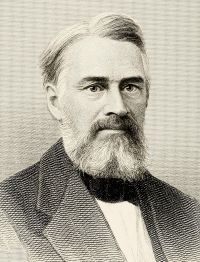
Portrait of Charles Louis Flint Charles Louis Flint,  Milch Cows and Dairy Farming

“ The object with many seems to be to see with how little food they can keep the cow alive. Now, it appears to me that the milch cow should be regarded as an instrument of transformation. With so much hay, so much grain, so many roots, how can the most milk, or butter, or cheese, be made? The conduct of a manufacturer who owned good machinery, and an abundance of raw material, and had the labor at hand, would be considered as very absurd, if he hesitated to supply the material, and keep the machinery at work at least so long as he could run it with profit. ”
Source: Gutenberg

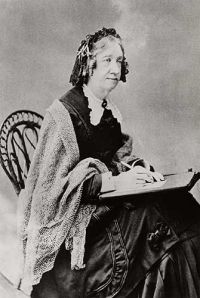
Willis P. Hazard,  How to Select Cows

“ A great milk cow, whatever may be her aptness for fattening, and her condition of fat at the time of calving, becomes thin about fifteen or twenty days after calving; the time of her rut is therefore less near than that of a poor milk cow, because her vital forces are weaker. Witness the quantity of her yield, which is only that of a cow of medium product.
One can compare a milch cow to a fruit tree, which gives more fruit this year than the next. When the sap of the tree carries vigor to the development of the fruit, the growth of the wood remains nearly stationary.
”
Source: Gutenberg

Robert Jennings,  Cattle and Their Diseases

“ The variations in the yield of milch cows are caused more by the variations in the nutritive elements of their food than by a change of the form in which it is given. A cow, kept through the winter on mere straw, will cease to give milk; and, when fed in spring on green forage, will give a fair quantity of milk. But she owes the cessation and restoration of the secretion, respectively, to the diminution and increase of her nourishment, and not at all to the change of form, or of outward substance in which the nutriment is administered. ”
Source: Gutenberg

Get perspective with Kwize: daily news enlightened by great literature