Military court

Definition and stakes

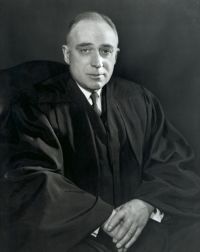
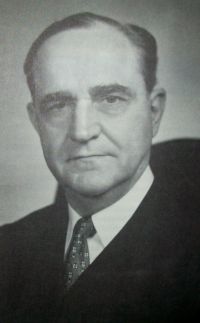
Portrait of Hugo Black Hugo Black,  Reid v. Covert (354 U.S. 1) — Opinion of the Court

“ The tradition of keeping the military subordinate to civilian authority may not be so strong in the minds of this generation as it was in the minds of those who wrote the Constitution. The idea that the relatives of soldiers could be denied a jury trial in a court of law, and instead be tried by court-martial under the guise of regulating the armed forces, would have seemed incredible to those men, in whose lifetime the right of the military to try soldiers for any offenses in time of peace had only been grudgingly conceded. ”
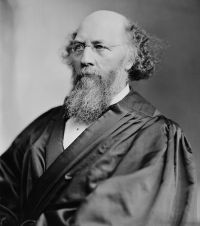
Source: Wikisource

Portrait of Hugo Black Hugo Black,  United States ex rel. Toth v. Quarles…

“ We find nothing in the history or constitutional treatment of military tribunals which entitles them to rank along with Article III courts as adjudicators of the guilt or innocence of people charged with offenses for which they can be deprived of their life, liberty or property. Unlike courts, it is the primary business of armies and navies to fight or be ready to fight wars should the occasion arise. But trial of soldiers to maintain discipline is merely incidental to an army's primary fighting function. ”
Source: Wikisource

Donald W. Bernier,  Area Handbook for Romania

“ In theory, any court may pass judgment on a military crime, but the military court system employs specialists in military law who are better able to understand the seriousness of crimes committed in relation to the military establishment. Military courts seldom surrender cases over which they have jurisdiction to civil courts.
There are two types of military courts: military tribunals and territorial military tribunals. The former are the lesser of the two and are established at major installations or are attached to large tactical units.
”
Source: Gutenberg

Get perspective with Kwize: daily news enlightened by great literature