Military formation

Definition and stakes

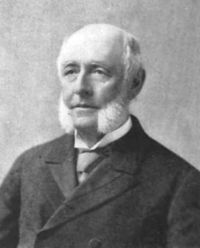
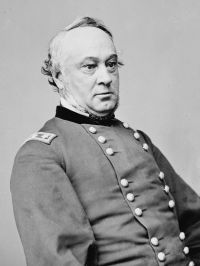
Portrait of H. W. Halleck H. W. Halleck,  Elements of Military Art and Science

“ The preparation here meant is not the keeping up, in time of peace, of a large standing army, ever ready to take the field; but rather the formation of a small body, educated and practised in all the scientific and difficult parts of the profession; a body which shall serve as the cadre or framework of a large army, capable of imparting to the new and inexperienced soldiers of the republic that skill and efficiency which has been acquired by practice. ”
Source: Gutenberg

Old Humphrey,  Soldiers and Sailors

“ The more you hear or read of tactics, the clearer you will see that the better they are understood the more likely is an army to be successful. It is generally agreed that there are some principles which should always be strictly attended to in the formation of all military bodies.
“First, Each regiment, or integral part of an army, must be under the uniform command of one man, interested in its good appearance, efficiency, and success, who must be responsible for his charge, and removeable when not found equal to his duty.
”
Source: Gutenberg

Florence Finch Kelly,  What America did (1919)

“ Into the forming and shaping of the American Army for the World War went something new in the making of armies, something hitherto unthought of in the history of wars, for its training was based upon a new idea, a bold innovation upon military traditions. The method of army training had always been to minimize the individuality of the fighting man, to lessen it to the disappearing point, and so the more surely and easily and completely merge the individual in the fighting mass. ”
Source: Gutenberg

Get perspective with Kwize: daily news enlightened by great literature