Millrace

Definition and stakes

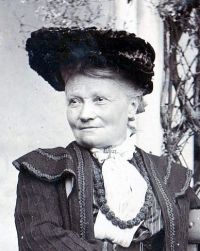
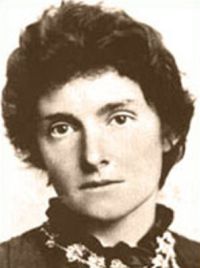
Portrait of E. Nesbit E. Nesbit,  The Wouldbegoods: Being the Further Adventures of the Treasure Seekers

“ The miller is a MAN. He showed us all over the mills—both kinds—and let us go right up into the very top of the wind-mill, and showed us how the top moved round so that the sails could catch the wind, and the great heaps of corn, some red and some yellow (the red is English wheat) , and the heaps slice down a little bit at a time into a square hole and go down to the mill-stones. The corn makes a rustling soft noise that is very jolly—something like the noise of the sea—and you can hear it through all the other mill noises. ”
Source: Gutenberg

S. Baring-Gould,  An Old English Home and Its Dependencies

“ Though the village mill usually—almost always—presents a pleasant picture in one's memory, a picture of cheerfulness and content, of good nature and neatness, it is not always so. I remember one mill which carries with it a sadness whenever I recall it. Not that the mill was gloomy in itself, but that the story connected with it was such as to make one sad.
The miller, whom we will call Pike, was unhappily somewhat inclined to drink. He [182] was not an intemperate man at home, far from it; and in his mill, at his work, he was always sober.
”
Source: Gutenberg

John Wykeham Archer,  Once a Week (1862)

“ Indeed it is in the recollection of very old persons that, even when the miller plied his trade within reach of most people, many of them still adhered to the old hand-mill, probably in deference to the proverbial breadth of the miller’s golden thumb, and they could only be induced to bring grist to the mill by taking away and destroying the upper stones of the querns in their possession, and which had probably descended as heir-looms during a succession of many centuries. ”
Source: Wikisource

Get perspective with Kwize: daily news enlightened by great literature