Miracle play

Definition and stakes

F. J. Snell,  The Customs of Old England

“ Miracle plays represent a further stage of development, in which a rude and popular art shook itself free from the trammels of ritual, outgrew the austere restrictions of sacred surroundings, and yet kept fast hold on the religious tradition on which it had been nourished, and which remained to the last its supreme attraction.
The liturgical origin of the miracle play may almost be taken for granted, and the single question that is likely to arise is whether the custom evolved itself from observances connected with Easter, or Christmas, or both festivals in equal or varying measure.
”
Source: Gutenberg

"Everyman," with other interludes…

“ His ecclesiastical habit becomes clear enough before the end of the play, where he bids Everyman go and confess his sins. Like many of the more poignant scenes and passages in the miracle-plays that follow it, this morality too leaves one exclaiming on how good a thing was the plain English of the fourteenth and fifteenth centuries.
The relation of the several miracle-plays here printed to the town-cycles from which they come will be seen at a glance on reference to the tables of pageants that appear in the Appendix.
”
Source: Gutenberg

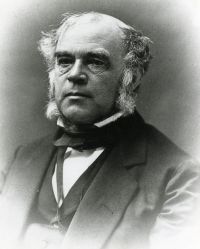
Portrait of John William Draper John William Draper,  History of the Intellectual Development of Europe…

“ By the miracle play is understood a representation of Scripture incidents, enacted, however, without any regard to the probabilities of time, place, or action, such subjects as the Creation, the fall of man, the Deluge, being considered as suitable, and in these scenes, without any concern for chronology, other personages, as the Pope or Mohammed, being introduced, or the Virgin Mary wearing a French hood, or Virgil worshipping the Saviour. ”
Source: Gutenberg

Get perspective with Kwize: daily news enlightened by great literature