Moral progress

Definition and stakes

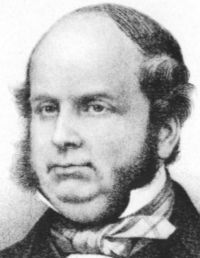
Portrait of Josephus Nelson Larned Josephus Nelson Larned,  Popular Science Monthly (1877)

“ We are brought, then, face to face with the fact that there are certain directions in which the process of civilization appears to be much more certainly a process of moral development, as evinced in human conduct and character, than it does in others; certain particulars of conduct, that is, in which the fact of moral progress is undeniable, and certain others in which, at least, it is open to doubt. ”
Source: Wikisource

James P. Boyd,  Triumphs and Wonders of the 19th Century…

“ If we resume the moral progress of the nineteenth century, allowing for its inconsistencies, carefully weighing its negative and positive results, and taking as a balance what is original in its contribution to the ethical development of the human race, we will find that this contribution mainly lies in the direction of tolerance and of altruism. ”
Source: Gutenberg

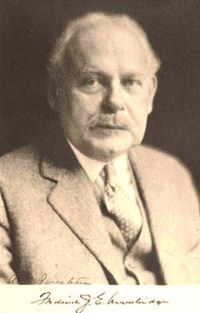
P. V. N. Myers,  History as past ethics; an introduction to the history of morals (1913)

“ They recognize that society can continuously progress only as these benefits become the possession not merely of a few but of all. In the disregard of this immutable law of human progress they discern the main cause of the retrogression, decay, and failure of every great civilization of the past; in its solicitous fulfillment they find the only ground of hope for the constant improvement of human society as a whole and the uninterrupted moral progress of the world. ”
Source: Gutenberg

Get perspective with Kwize: daily news enlightened by great literature