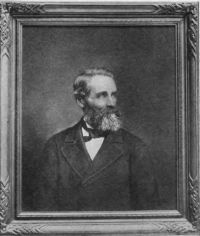
Paul R. Shipman, Popular Science Monthly (1880)
“ Not only is our mother-tongue, then, the instrument of our culture, but the way to master it is to study it, in lieu of any foreign tongue, living or dead. For English-speaking people the "special-culture study" is not Latin and Greek or either, but English. The mother tongue, if I may recur to the botanical figure, is the tap-root of the tree of mind, whereof no other tongue can be more than a rootlet. Neglect it, and you dwarf the intellect; cherish it, and the intellect shoots up into full stature. Our mother-tongue is the source of our mental growth. ”